Crucial Guide to Strapping Machine Repair: Ensuring Optimum Performance and Long Life
Strapping machines play an essential function in product packaging and logistics. They can run into numerous problems that hinder their efficiency. Understanding these usual issues and their hidden causes is important for reliable repair work and maintenance. Proper diagnostics and routine maintenance can expand a device's life-span considerably. Yet, lots of drivers overlook important maintenance actions. What are one of the most reliable strategies for making sure these machines run at peak efficiency? The answers may shock you.
Common Strapping Machine Issues and Their Causes
Strapping machines are crucial for reliable packaging operations, they can run into various problems that interfere with workflow. Common issues include misfeeds, where the band does not feed appropriately through the device, often triggered by incorrect placement or used components. Another frequent issue is strap breakage, which can arise from making use of the incorrect kind of strap or too much stress throughout the strapping process. Furthermore, inconsistent seal strength might take place as a result of insufficient heat or stress setups, bring about defective or weak seals. Dust and particles buildup can additionally create mechanical failures, hindering the machine's efficiency. Operators might likewise experience electrical breakdowns, such as faulty sensing units or control failings, which can halt production. Acknowledging these concerns and their hidden reasons is vital for preserving perfect efficiency and ensuring the durability of strapping machines in packaging procedures.
Essential Devices for Strapping Machine Repair
Addressing the usual issues that strapping machines experience requires the right tools to ensure reliable repairs and maintenance. Necessary devices consist of wrenches, screwdrivers, and pliers, which are crucial for dismantling and reconstructing components. A multimeter is necessary for diagnosing electric problems, allowing technicians to determine faulty connections or components. Furthermore, a torque wrench warranties that screws are tightened to the producer's requirements, avoiding future failures. Lubricants and cleaning up supplies are needed for regular upkeep, assuring smooth operation and durability of the equipment. Replacement parts, such as belts, sensing units, and motors, need to also get on hand to help with fast repairs. Ultimately, a thorough repair handbook supplies invaluable guidance, assisting specialists navigate the intricacies of strapping device repair service effectively. Employing these tools effectively can considerably boost the efficiency and life expectancy of strapping machines, minimizing downtime and operational disruptions.
Step-by-Step Troubleshooting Overview
How can technicians efficiently detect and solve problems with strapping machines? A systematic approach is essential. They need to recognize the signs and symptoms, such as irregular strapping or equipment jams. Next, technicians need to evaluate the user handbook for specific mistake codes or fixing actions connected to the observed problems.
As soon as signs are noted, they ought to examine the maker's components, including the tensioner, sealing head, and feed system for wear or damages. It is essential to inspect for correct positioning and any type of obstructions. After visual evaluations, specialists ought to evaluate the electric links and sensors to assure they are functioning properly.
If problems continue, executing a functional examination after each change will help isolate the concern. Documenting each step taken is crucial for future referral. Following this organized troubleshooting overview permits technicians to effectively pinpoint the problem and implement effective repair work, therefore enhancing machine integrity and performance.
Preventative Upkeep Tips for Long Life
Carrying out a robust preventative maintenance strategy is essential for ensuring the long life of strapping machines. Normal evaluations should be performed to recognize any kind of indicators of wear or damages, concentrating on vital parts such as sensors, belts, and rollers. strapping machine repair. Cleaning the device frequently aids prevent particles build-up, which can lead to functional concerns. Lubrication of relocating components is vital; using the maker's advised lubricating substances guarantees smooth procedure and lowers friction
Additionally, operators need to check the equipment's performance metrics, noting any type of abnormalities that may indicate possible issues. Keeping a comprehensive maintenance log help in tracking service history and organizing timely interventions. Educating personnel on proper use and handling can substantially minimize the danger of operator-induced damage. Replacing used components proactively, instead than reactively, can lessen downtime and prolong the equipment's life expectancy. Following these preventative maintenance tips will add to suitable performance and durability of strapping machines.
When to Look For Professional Assistance
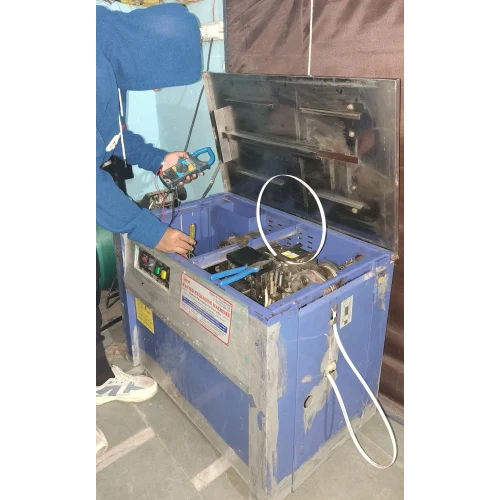
In addition, when parts reveal signs of wear or damages, professional evaluation comes to be vital to assure safety and performance. If in-house maintenance personnel do not have the know-how or tools to diagnose complex issues, seeking help from trained specialists is recommended. Regular appointments with specialists can additionally aid in determining prospective issues prior to they rise. Inevitably, timely treatment by specialists not just extends the life-span of the equipment but additionally safeguards productivity, making sure that operations stay effective and smooth.
Frequently Asked Inquiries
Just how Frequently Should I Replace the Strapping Machine's Components?
Strapping equipment parts need to be replaced every 1-3 years, depending upon usage and wear (strapping machine repair). Normal assessments and maintenance can assist recognize components needing replacement sooner, making sure ideal functionality and lowering the danger of unexpected breakdowns
Can I Make Use Of Various Strapping Products With My Machine?
Various strapping materials can often be made use of with a machine, provided they fulfill particular dimension and tension requirements. Nevertheless, compatibility must be validated to ensure peak performance and avoid possible damages or malfunction.
What Are the Signs of a Getting Too Hot Strapping Machine?
Indicators of a getting too hot strapping machine consist of uncommon sounds, constant closures, excessive warm emanating from components, smoke, and inconsistent strapping top quality. Timely identification of these symptoms is essential for avoiding damage and making sure efficient operation.
How Can I Boost Strapping Rate Without Sacrificing High Quality?
To boost strapping rate without giving up quality, one can optimize maker setups, use premium materials, maintain devices regularly, and train drivers in reliable techniques, making sure a balance in between speed and reliable strapping efficiency.
Are There Particular Brands Understood for Better Durability?
Certain brands, such as Signode and Mosca, are renowned for their resilience in strapping machines. Their robust construction and premium products typically cause prolonged life expectancies and trusted performance in demanding commercial atmospheres.
Exactly how can technicians efficiently identify and resolve problems with strapping machines? They ought to recognize the signs, such as inconsistent strapping or maker jams. Implementing a durable preventative maintenance plan is essential for guaranteeing the durability of strapping machines. Different strapping products click here can frequently be used with a maker, given they meet details size and tension needs. Indications of an overheating strapping equipment consist of unusual noises, frequent closures, too much heat emanating from elements, smoke, and irregular strapping high quality.